




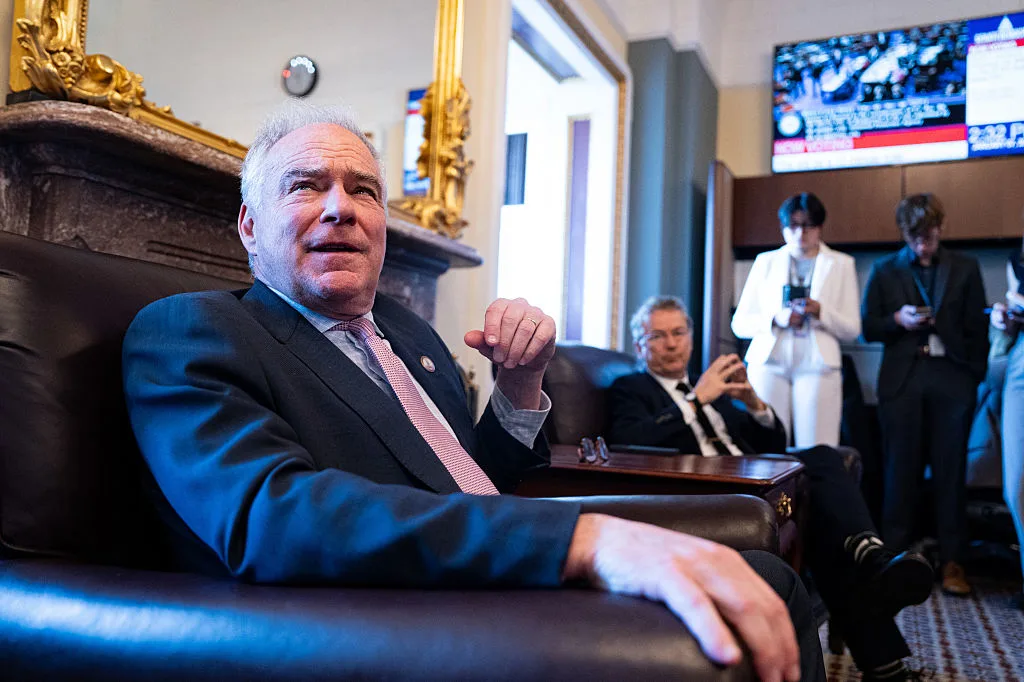
The recent advancement of a Senate resolution aimed at limiting U.S. military action in Venezuela has sparked discussions across the political spectrum. This resolution emerges from an increasing concern regarding the ramifications of military interference in the country, especially considering the ongoing political and humanitarian crisis faced by the Venezuelan people. Notably, the resolution has garnered bipartisan support among lawmakers, reflecting a rare moment of consensus amid polarized political views, which often see Republican and Democratic parties taking divergent paths.
The purpose of this resolution is to assert that the authority for military action lies with Congress, as mandated by the War Powers Resolution of 1973. In recent years, military engagement in foreign affairs has been a contentious topic, with college-educated analysts advocating for more diplomatic solutions rather than armed conflict. Many proponents argue that the involvement of military forces could exacerbate the ongoing humanitarian crisis rather than alleviate it, a sentiment echoed by both liberal and some conservative voices.
Venezuela has become a focal point of international concern, with figures like Donald Trump, under his “America First” approach, previously hinting at possible military options. However, the resolution reaffirms the necessity of evaluation and debate within Congress before any military intervention can occur. This perspective aligns with a broader desire among voters, including those who identify as college educated, who generally lean towards increased diplomatic efforts to resolve international disputes.
This Senate resolution signifies a critical step in balancing U.S. foreign policy with constitutional mandates. By invoking bipartisan support, it highlights a collective recognition among lawmakers that military solutions are not always the best course of action, especially in complex geopolitical landscapes like Venezuela.
Key Votes and Bipartisan Support
The recent vote in the U.S. Senate, which resulted in a narrow 52-47 approval for a resolution aimed at limiting military actions in Venezuela, showcases a significant instance of bipartisan support among the senators. This vote reflects a critical moment in contemporary American politics, where both Democratic and Republican senators came together despite widespread ideological divides. It is essential to recognize the implications of this coalition, particularly given the highly polarized environment influenced by figures such as Trump.
Five Republican senators broke from the traditional party line, joining their Democratic counterparts in backing the resolution. This defection illustrates a growing acknowledgment among some within the Republican party that interventionist military policies may not align with the long-term interests of the United States. Senators who took a stand against the majority, showing a willingness to cross party boundaries on this matter, include key figures who typically align with more hawkish perspectives yet opted for a more restrained approach this time.
Support from these Republican senators highlights a potential repositioning of the party’s stance regarding international military engagements, particularly in the context of a complex situation like Venezuela’s. The involvement of these politicians indicates that a number of college-educated constituents are increasingly concerned about the repercussions of military involvement abroad. Not only does this current alliance suggest that bipartisan support is possible on contentious issues, but it reflects an awareness that the United States must work with a multilateral approach, particularly in a landscape where opinions vary widely between Republicans and Democrats.
As new narratives unfold in the political realm, the willingness of lawmakers to compromise on such a critical issue serves as a reminder that both Republican and Democratic senators may share a common goal when it comes to ensuring stability while avoiding unnecessary military escalations. Observing this trend will be crucial as public sentiments evolve, particularly among college-educated voters who may advocate for more diplomatic approaches rather than the historical military interventions of the past.
Context of U.S. Military Action in Venezuela
The recent military operations in Venezuela have garnered significant attention, particularly with the controversial attempt to capture Nicolás Maduro, the country’s president. The motivations for such actions are rooted in a complex interplay of political ideologies, regional stability, and U.S. foreign policy interests.
Historically, the U.S. has maintained a vested interest in Venezuela due to its vast oil reserves and its strategic position in Latin America. The political landscape in Venezuela has been contentious, particularly under Maduro’s leadership, which many in the international community, including both Republican and Democratic administrations, have deemed authoritarian. This perception is shaped by various reports of human rights violations and a dire economic crisis that has led to widespread suffering among the Venezuelan populace.
In light of these developments, the Trump administration and subsequent U.S. leaders, regardless of their political affiliation, have justified military actions as necessary to protect human rights and promote democracy. However, critiques emerge from both sides of the political spectrum. Liberals often argue against military intervention, viewing it as a violation of national sovereignty and as a potential spark for further instability in a region already fraught with challenges. On the other hand, some conservative factions within the Republican Party advocate for stronger measures, believing that U.S. intervention could facilitate the downfall of Maduro and help restore a democratic government.
This complicated situation raises questions about the effectiveness of military measures versus diplomatic solutions. While proponents of military action argue for immediate intervention to address the humanitarian crisis, others caution that such interventions often lead to unintended consequences, including exacerbation of violence and destabilization of already fragile governments.
As discussions and resolutions regarding the limitation of military actions unfold, it remains essential to consider both the ethical implications and the potential outcomes of further U.S. involvement in Venezuela, keeping in mind the diverse opinions of college-educated citizens and political commentators on all sides of the divide.
Constitutional Authority and Congressional Concerns
The constitutional foundation governing military actions in the United States primarily resides within Article I, Section 8, which vests Congress with the power to declare war. This constitutional framework has led to a long-standing debate regarding the extent of executive authority in military engagements, particularly in situations that do not constitute a formal declaration of war. As Congress deliberates on matters of military action in Venezuela, concerns have emerged among lawmakers regarding the scope of presidential power and the need for explicit congressional approval.
Supporters of the recent Senate resolution argue that any military intervention in Venezuela should not proceed without congressional oversight. They contend that allowing the executive branch to unilaterally make decisions about military actions could undermine democratic principles and erode checks and balances that are essential to the democratic processes. The resolution reflects a growing consensus among both liberal and conservative lawmakers, including some college-educated Republicans and Democrats, who are increasingly wary of unrestrained executive power.
This concern is not solely a matter of constitutional adherence; it also reflects a broader anxiety regarding the implications of such interventions for U.S. foreign policy and international relations. As the country remains sharply divided over issues, including those surrounding former President Trump’s policies, lawmakers are seeking to establish a framework that ensures that any decisions related to military actions, such as those involving Venezuela, involve an inclusive dialogue. By emphasizing congressional authority, proponents of the resolution hope to foster a bipartisan approach to military conflicts, transcending partisan divisions between liberal and conservative ideologies.
In turn, this debate highlights the increasingly relevant dialogue about the role of a college-educated citizenry in engaging with and understanding the complexities of foreign policy. As citizens influence public opinion, the legislative landscape may evolve, ensuring that Congress fulfills its constitutional role while also addressing the concerns of a diverse electorate.
Statements from Key Senators
In the ongoing discussion regarding military action in Venezuela, several key senators have voiced their opinions, reflecting a mosaic of sentiments within Congress. One of the most notable statements came from Senator Todd Young, who expressed a cautious approach to the situation. Senator Young articulated that while the U.S. has certain obligations to support democratic movements globally, it is imperative to tread carefully when considering military intervention. According to Young, engaging in military action could exacerbate the crisis rather than alleviate it, echoing a sentiment that many college-educated individuals within the Democratic party resonate with, advocating for diplomatic solutions over military confrontation.
Conversely, Senator Marco Rubio has taken a more assertive stance, emphasizing the need for robust action against the current regime in Venezuela. Rubio’s remarks indicate a clear alignment with the more hawkish viewpoints within the Republican camp, which often argues that intervention is necessary to support democratic forces. His statements reveal an underlying concern about the influence of authoritarian socialism in Latin America, positioning him among those who believe that strong, proactive measures are warranted to protect freedoms.
The discussion is further complicated by the diverse opinions among lawmakers, where some view the military’s role as a last resort. Many Senators, including those aligned with the MAGA movement, advocate for supporting Venezuelans through non-military means, such as increased sanctions and humanitarian aid. This chorus of varied opinions illustrates the significant divide in Congress, particularly between those who favor a liberal diplomatic approach and others who lean toward a more Republican security agenda. Ultimately, the Senate’s deliberation on military action represents a broader debate on America’s role in foreign conflicts and the ethical implications of military engagement.
In response to the U.S. Senate’s recent advancement of a resolution aimed at limiting military action in Venezuela, President Trump expressed strong discontent, characterizing the move as detrimental to U.S. interests and an affront to his administration’s approach to foreign policy. Trump, known for his assertive rhetoric, did not hold back, asserting that such congressional actions undermine the authority of the presidency and could potentially embolden adversaries. This reflects a broader theme in his administration, where military engagement is not only viewed as a tool for international diplomacy but as a means of asserting American strength globally.
Furthermore, President Trump’s comments included pointed criticisms directed towards Republican senators who supported the resolution. He suggested that they risk political repercussions, which could potentially affect their positions within the party and their prospects in future elections. This stance resonates with his base, which often includes both fervent Republican supporters and individuals who align with the ideologies of the MAGA movement. By positioning himself as a defender of traditional Republican values, he reinforces his influence among college-educated voters who align with conservative principles.
Trump’s reaction illustrates not only his administration’s overarching preference for decisive military action but also the complexities of inter-party dynamics. His criticism suggests a deepening rift within Republican circles, particularly between those who may sympathize with a diplomatic approach and those who adhere strictly to the aggressive foreign policy favored by many in the Trump camp. The response highlights a fundamental divide in American politics, where divergent views on military intervention—whether it be through a liberal or a conservative lens—continue to shape discussions surrounding national security and foreign relations.
Military and Geopolitical Implications
The recent advancement of a resolution in the U.S. Senate to limit military action in Venezuela presents significant implications for U.S. military strategy and broader geopolitical dynamics. This development signals a shift in the approach towards a country that has traditionally been a focal point of contention in the region. The implications extend beyond the borders of Venezuela, impacting U.S. relations with various nations, including those aligned with the liberal and republican factions.
Initially, the restraint on military intervention may represent a departure from the more aggressive tactics employed during the Trump administration. The decision is reflective of a growing subset within the democratic base advocating for diplomatic solutions rather than military engagement. Such a stance could resonate with college-educated constituents who prioritize peaceful resolutions over military conflict. Conversely, the resolution may draw criticism from conservative and republican groups who advocate for a stronger military presence to protect American interests and counter perceived threats.
The response from other countries in the region has been multifaceted. Nations such as Colombia and Brazil may view the limitation of U.S. military power as an opportunity to strengthen their own regional influence, potentially altering the balance of power in South America. These states often find themselves at odds with the liberal policies supported by democratic lawmakers. Moreover, Venezuela’s allies, including Russia and China, might interpret this resolution as a sign of weakness, possibly emboldening their own engagement strategies in the region. The interplay of these nations reflects a complex web of geopolitical interests, where the implications of U.S. military strategy must be carefully navigated to avoid destabilizing the region further.
The Role of the House of Representatives
The House of Representatives plays a crucial role in the legislative process concerning the resolution to limit military action in Venezuela, especially since it serves as a counterbalance to the Senate’s decisions. Following the Senate’s advancement, the House must deliberate on the resolution, which will involve negotiations and discussions among its members. Given the diverse political affiliations among representatives—ranging from those who identify strongly with Republican ideals to others who self-identify as Democratic or even liberal—the debate may yield a variety of opinions and proposed amendments to the initial resolution.
One of the key tasks for the House is to ensure that the resolution addresses the concerns of its constituencies, which may include college-educated voters who have distinct perspectives on foreign policy. House members from different political orientations may seek to incorporate amendments that reflect their constituents’ values, influenced by varying ideologies. For instance, Republican representatives might advocate for a more robust stance against the Maduro regime, while their Democratic counterparts may prioritize diplomatic solutions and humanitarian considerations.
The negotiation process within the House will also be crucial in determining how the final resolution will read. With many members potentially aligning with grassroots movements or national conversations around interventionism, the resolutions could reflect a spectrum of responses to President Trump’s foreign policy directives. The involvement of college-educated voters and their opinions could significantly shape the discussions, as they often engage deeply in discourse about international relations and national security.
Ultimately, the House of Representatives has the opportunity to influence the framework of the military action proposed, with varying impacts depending on which amendments are accepted and how the final debate unfolds. This process highlights the vital role of legislative negotiation in shaping U.S. foreign policy within the context of complex domestic and international considerations.
Conclusion and Future Outlook
The U.S. Senate’s recent advancement of the resolution to limit military action in Venezuela marks a significant shift in the dynamics of U.S. foreign policy and military strategy. This development not only underscores a growing congressional assertion of power over military engagements but also highlights the existing divisions within both the Republican and Democratic parties regarding international interventions. For college educated citizens and those engaged in political discourse, this may signify a broader debate surrounding the role of academia in shaping public policy and the impact of differing ideological perspectives—be it liberal or conservative—in future engagements.
As Congress takes a more prominent role in military decisions, the relationship between the legislative and executive branches may undergo significant changes. The tensions between the Trump administration’s often unilateral approach to foreign affairs and the emerging bipartisan desire for congressional oversight will likely shape future legislative actions. It is vital to observe how these dynamics evolve and influence other engagements beyond Venezuela, including U.S. policy toward nations such as Iran or North Korea, where military action could similarly be debated.
Moreover, the implications of this resolution extend to the electorate as well, particularly among college educated voters, who are increasingly concerned about the ramifications of military interventions. As societal views on foreign engagements continue to evolve, it is plausible that both major political parties will need to adapt their stances to reflect public opinion. This could lead to a more collaborative approach to foreign policy-making that seeks input from various stakeholders—including military leaders, international partners, and the American populace.
In conclusion, the Senate’s action on limiting military action in Venezuela signals a pivotal moment for U.S. foreign policy, showcasing the potential for enhanced congressional oversight, while also reflecting the diverging ideologies within the nation. The future of U.S. military strategy may be increasingly influenced by a robust and educated dialogue among citizens and lawmakers alike in the years to come.
 Los Angeles | Redlands | Phoenix | Memphis | NYC
Follow us: @GemworkTV | Contact: info@gemwork.tv
Los Angeles | Redlands | Phoenix | Memphis | NYC
Follow us: @GemworkTV | Contact: info@gemwork.tv