




 Lately, I’ve been paying closer attention to how boom bap is moving through the world again, and the more I notice it, the more one question keeps coming up for me: who’s really here for the culture, and who’s just feeding off of it?
That’s really what this conversation is about.
Boom bap has never been just another hip-hop subgenre to me. It’s one of the clearest expressions of what hip-hop sounds like when it’s rooted in soul, message, rhythm, and lived experience. It comes from a tradition of beats that knock with intention and lyrics that actually carry weight. It’s storytelling. It’s social commentary. It’s identity. It’s the kind of music that doesn’t just fill space — it says something.
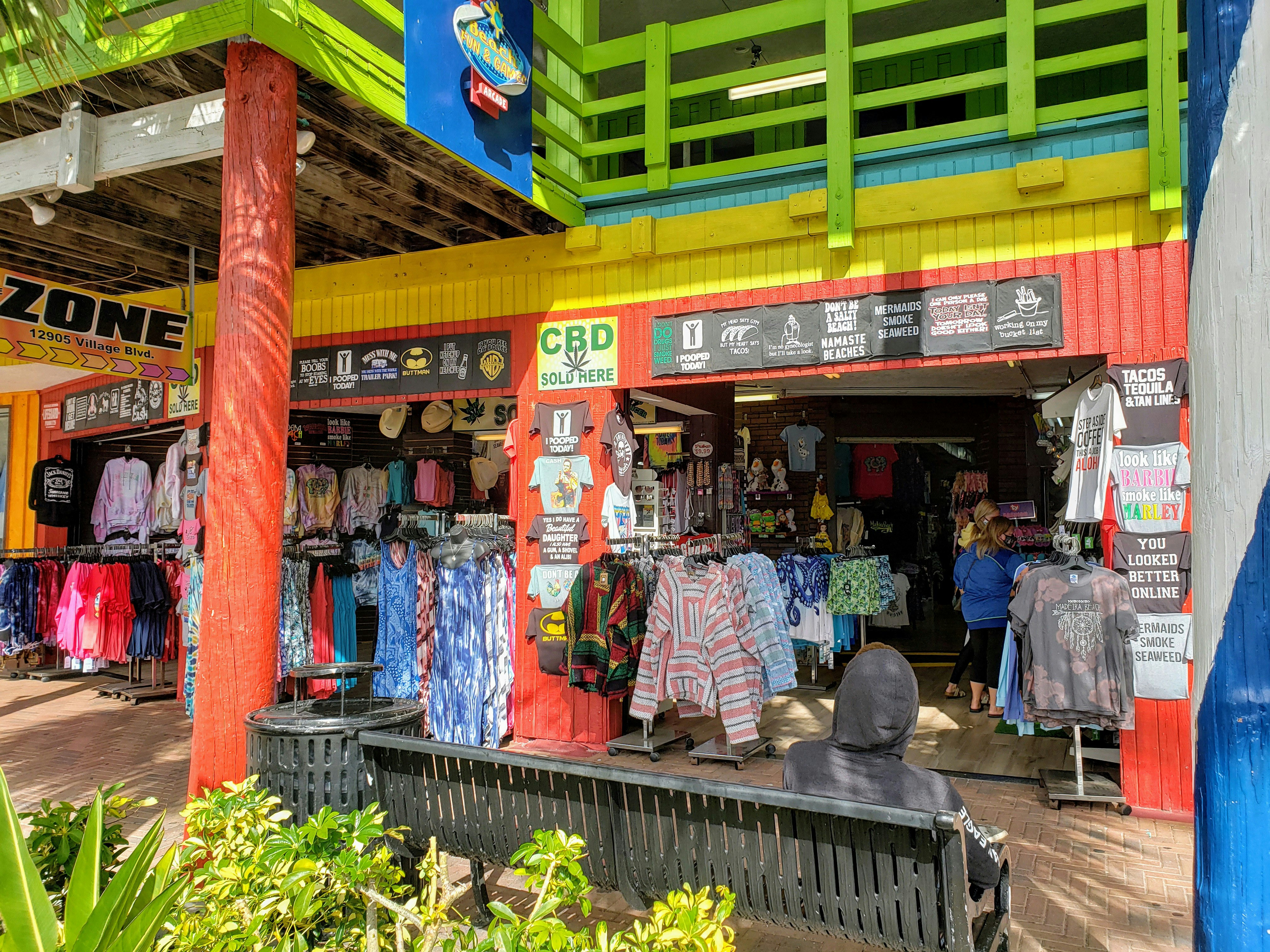
And what’s been catching me off guard lately is hearing that sound in places I never would have expected. I’ve heard music with that boom bap feel in a weed dispensary, in a grocery store, and even at a plant nursery. That’s the kind of thing that makes you stop and think. Because for a long time, boom bap felt like something you had to seek out. It lived in certain corners, among people who really understood what it meant. Now it seems to be surfacing in everyday spaces, and that can mean a couple of different things.
On one hand, it could be a sign that the sound is having a real resurgence. And honestly, I think that’s part of what’s happening. When you still have artists like Black Thought, Common, and Bashy dropping conscious bars and showing that lyricism, depth, and craftsmanship still matter, that tells me boom bap never really died. It just stopped being the center of the mainstream conversation for a while. Now people seem to be reconnecting with it. The artistry is still there, and it feels like the audience is growing too. If that keeps building, I can absolutely see a time when larger concerts and bigger live moments come back around for boom bap in a serious way.
But on the other hand, when a sound like this starts showing up everywhere, it also forces us to ask harder questions. Because boom bap didn’t come out of nowhere. It was built from a real cultural foundation. It came out of struggle, creativity, discipline, community, and truth. So when more people start using that sound, wearing that aesthetic, or tapping into that energy, we have to ask whether they’re contributing to the culture or just borrowing from it because it feels profitable, trendy, or easy to package.
That’s where the tension between gatekeepers and culture vultures comes in.
Usually when people hear the word “gatekeeper,” they think of somebody just trying to block other people out. But that’s not always what a gatekeeper is. Sometimes a gatekeeper is somebody protecting the integrity of the art form. Somebody making sure the roots don’t get erased. Somebody reminding people that this music has history, meaning, and standards. In that sense, gatekeepers can serve a purpose. They can help preserve the values that made boom bap matter in the first place.
Culture vultures are different. Culture vultures take without respect. They adopt the language, the look, the sound, or the energy of something without really honoring where it came from. They know how to copy the surface, but they’re disconnected from the soul of it. And when that happens, the culture can start getting diluted. What began as something powerful and specific becomes just another aesthetic for consumption.
That’s part of what makes boom bap so important to define right now. Because if we don’t define it, somebody else will define it for us. And when that happens, the meaning can get stripped away. Boom bap becomes just “that vintage hip-hop sound” instead of what it really is: a form of expression rooted in lyrical skill, cultural memory, musical depth, and real perspective.
At the same time, I’m not saying boom bap has to stay frozen in time. Hip-hop evolves. It’s supposed to. Every generation is going to bring a different voice, a different sound, and a different way of expressing what’s real to them. Trap changed the landscape. Mumble rap and melodic rap changed the landscape too. Those styles put more emphasis on vibe, repetition, cadence, hooks, and atmosphere. Boom bap, by contrast, has always asked for something a little different. It asks for presence. It asks for bars. It asks for intention. It asks the artist to really stand in what they’re saying.
That difference matters.
And I think people are feeling that difference again. In a time when so much music can feel disposable, boom bap still feels grounded. It still has weight. It still has texture. It still carries that human element that makes people stop and listen. That’s why I don’t see this as just nostalgia. I see it as people craving substance again.
So for me, this moment is bigger than just asking whether boom bap is back. The bigger question is: back for who? Back in whose hands? Is it being carried forward by people who love the culture, understand it, and want to build on it with respect? Or is it being picked apart by people who see it as something useful to wear for a season?
That’s the line I keep thinking about.
Because boom bap deserves more than to be recycled. It deserves to be respected. It deserves artists who understand the balance between preserving the roots and pushing the sound forward. It deserves listeners who know the difference between something that’s authentic and something that’s just well-packaged. And it deserves a future that doesn’t water down what made it powerful in the first place.
I’m seeing signs that the culture is alive. I’m hearing it in public. I’m hearing it in the work of artists who still care about bars. I’m hearing it in the possibility of bigger stages opening back up for this kind of hip-hop. But I’m also seeing why the conversation around gatekeepers and culture vultures matters now more than ever.
Because if boom bap is really rising again, then we need to be honest about who’s protecting the culture and who’s profiting off the image of it.
Leave a comment and tell us how you feel. Do you think boom bap is really making a comeback? And when you look at the scene right now, do you see more gatekeepers protecting the culture — or more culture vultures feeding off of it?
 Los Angeles | Redlands | Phoenix | Memphis | NYC
Follow us: @GemworkTV | Contact: info@gemwork.tv
Los Angeles | Redlands | Phoenix | Memphis | NYC
Follow us: @GemworkTV | Contact: info@gemwork.tv