From the Physical to the Portal
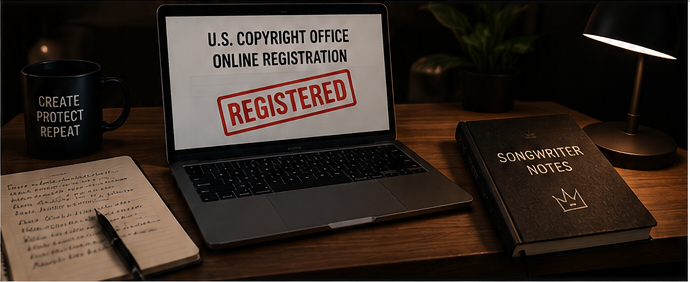
The landscape of copyright registration has undergone a profound transformation over the past two decades. In the mid-2000s, creators often invested significant time and effort into physically assembling their works for submission. For instance, musicians would meticulously gather their lyrics, sometimes compiling them into physical notebooks, which they then transported to copyright office locations. This labor-intensive process was not only time-consuming but also fraught with logistical challenges, as creators needed to ensure their submissions were complete and correctly formatted to avoid discrepancies.
Fast forward to the present day, the transition to digital portals has completely revolutionized the way copyright registration is conducted. With the establishment of online platforms, creators can now submit their works electronically in a matter of minutes, drastically reducing the time required for registration. This shift has made the process more accessible to a broader audience, allowing independent artists and writers from varied backgrounds to protect their intellectual property without the same financial and geographical barriers that existed previously.
However, while the method of submission has changed, the weight of responsibility for protecting creative works remains constant. Creators must still be diligent in ensuring they register their works properly to secure their rights. The legal implications of these changes cannot be overlooked; federal registration continues to offer essential statutory protections under copyright law, thus reinforcing the importance of understanding both the digital tools available and the legal requirements that accompany them. In conclusion, navigating the transition from physical submissions to digital portals exemplifies the evolution of copyright practices, blending efficiency with ongoing legal commitments for creators.
The Evolution of the ‘Notebook’ Concept
The process of organizing and registering creative works has undergone significant transformation since the era of Manila envelopes, which served as a primary means of submission for many artists and writers. This method typically involved compiling a collection of works in a single envelope and mailing it off as a safeguard against unauthorized use. However, as technology evolved, so did the landscape of copyright registration, leading to more streamlined and efficient methods.
Today, the advent of digital portals has revolutionized the way creative individuals manage their intellectual property. The Library of Congress now offers robust options for bulk registration, allowing creators to submit multiple unpublished works in a single application. This collective submission process not only simplifies the administrative burden on creators but also significantly reduces costs associated with individual registrations. For example, authors working on a series of texts or musicians producing multiple tracks can benefit from a simplified registration approach, ensuring that their works are protected while saving time.
Moreover, as the digital age continues to influence our interactions, it has become increasingly essential for creators to consider strategic approaches to their copyright filings. Early protection is crucial in the face of potential unauthorized use, and understanding the modern registration landscape allows for better long-term management of one’s creative portfolio. Registrants are now encouraged to navigate these new digital systems carefully, engaging with the available tools to ensure their works are secure. This evolution from physical submissions to digital registers highlights the importance of adaptation in protecting intellectual property in an ever-changing environment.
The Metadata Matrix and Its Importance
In the digital age, the concept of metadata has become critical to the evolving landscape of copyright protection. Unlike the traditional physical notebook where creators might jot down their ideas, authorship, and contribution dates, modern digital files necessitate that this essential information be embedded within the files themselves. Metadata serves as the digital counterpart to these physical notations, providing context and clarity about the ownership and origin of creative works.
Metadata includes crucial details such as the creator’s name, the date of creation, copyright status, and any modifications made over time. This information is critical not only for establishing ownership but also for licensing opportunities. When metadata is correctly implemented, it bolsters the creator’s position against infringement and misappropriation of work. Without proper metadata, however, creators face significant risks, including “ghost credits”—a term referring to situations where contributions go unrecognized. This lack of acknowledgment can lead to a diminished legacy and financial implications, as the original creator may miss out on potential royalties or licensing fees.
To effectively protect their rights, creators must understand the importance of managing their metadata actively. This involves ensuring that all relevant information is accurately input and kept up-to-date within digital files. It is also essential to recognize that metadata is not static; as projects evolve, so too must the accompanying data that documents a creator’s contribution and intent. By prioritizing comprehensive metadata management, creators can significantly enhance their ability to retain ownership of their work, contribute to its legacy, and navigate the increasingly complex digital ecosystem.
Why the ‘Extra’ Effort Still Matters
In the rapidly evolving digital landscape, the concept of copyright protection remains more relevant than ever, despite the ease with which creators can timestamp their works using cloud drives or emails. Formal copyright registration, while often perceived as an arduous task, provides significant advantages that simpler methods lack. One of the primary benefits is the legal standing it grants creators when enforcing their rights. In the event of copyright infringement, individuals with federally registered works are in a stronger position to seek legal recourse. This formal recognition serves as a crucial tool in asserting ownership and deterring unauthorized use of one’s creations.
Moreover, the process of securing a copyright registration affirms a creator’s commitment to their craft. It is an acknowledgment of the hard work and creativity that goes into producing original content, whether in music, art, or literature. When art and innovation thrive in a competitive environment, taking proactive steps to protect one’s intellectual property can give a significant advantage. Registration not only enhances the ability to pursue damages and seek injunctions against infringers but also opens up avenues for potential licensing revenue and collaborations.
In essence, while alternative methods of proof may provide some level of protection, they cannot match the legal fortification offered by federal registration. As the digital age continues to present new challenges to creative individuals, it remains imperative to prioritize safeguarding one’s work. By viewing copyright registration as an essential part of the creation process, artists and creators can navigate the complexities of their industries with a sense of security and assurance in their legal rights.
 Los Angeles | Redlands | Phoenix | Memphis | NYC
Follow us: @GemworkTV | Contact: info@gemwork.tv
Los Angeles | Redlands | Phoenix | Memphis | NYC
Follow us: @GemworkTV | Contact: info@gemwork.tv