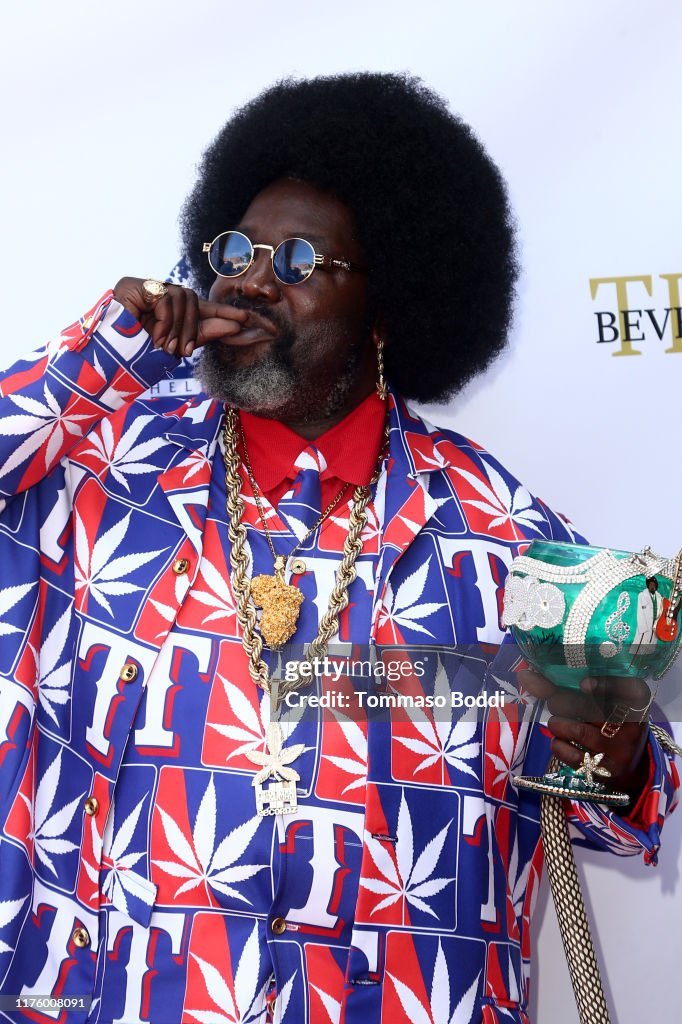







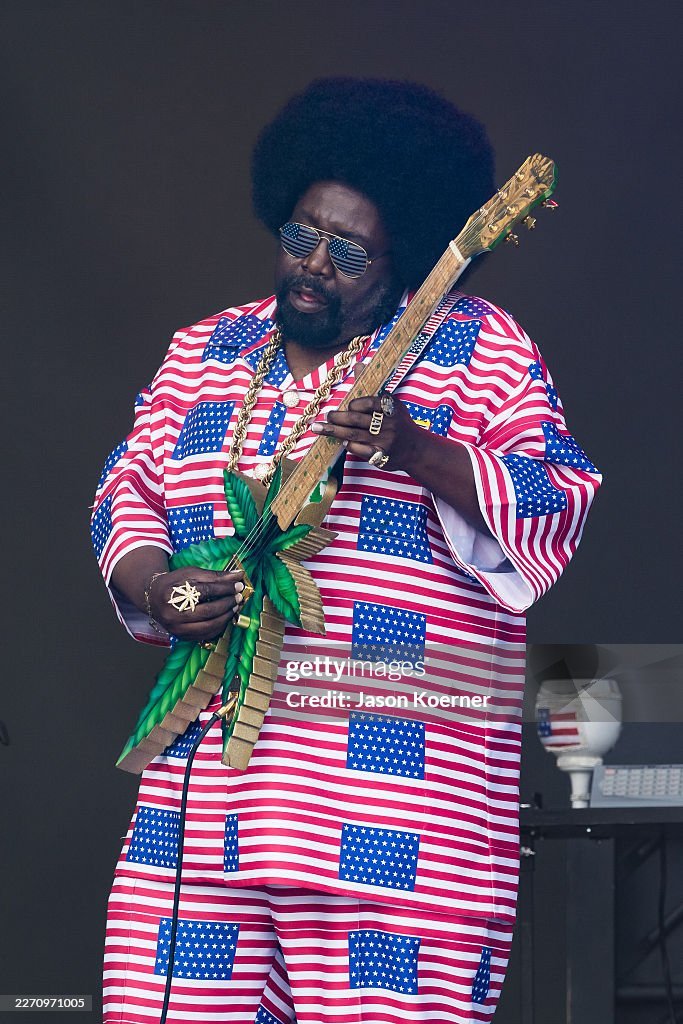
In a courtroom in West Union, Ohio, the hip hop world just saw one of its most eccentric legends turn a nightmare raid into a historic legal triumph. Joseph “Afroman” Foreman—decked out in a head-to-toe American flag suit and signature aviators—emerged from the Adams County courthouse this March with a verdict that resonates far beyond the Buckeye State.
After a three-day trial, a jury ruled in favor of Afroman on all 13 counts, dismissing a multi-million dollar defamation lawsuit brought by seven local sheriff’s deputies. The message was clear: in America, you can’t kick in a man’s door and then sue him for rapping about it.
The Raid That Sparked a Revolution
The saga began in August 2022 when the Adams County Sheriff’s Office executed a search warrant on Afroman’s home, citing suspicions of drug trafficking and kidnapping. The raid was aggressive—officers kicked down the door with weapons drawn while Afroman’s wife and children watched in terror.
Rather than simply filing a complaint that might gather dust in a drawer, Afroman did what hip hop does best: he documented the truth and set it to a beat. He took his home security footage and created a series of “diss tracks” directed at the department.
Feeling “humiliated and ridiculed,” seven of the officers sued Afroman for nearly $4 million, claiming he unlawfully used their personas for commercial gain and caused them emotional distress.
However, Afroman’s defense team argued that the officers were public officials and that his work was protected under the First Amendment as social commentary and parody. The jury agreed. After six hours of deliberation, they found that Afroman had every right to use his art to hold the government accountable for their actions on his property.
Why It Matters for Hip Hop
This isn’t just a win for the “Because I Got High” rapper; it’s a win for the culture. For decades, hip hop has served as a primary tool for “policing the police,” documenting overreach and systemic injustice. This verdict reinforces the legal standing of artists to use real-life footage and parody to criticize public figures without the fear of being sued into bankruptcy.
 Los Angeles | Redlands | Phoenix | Memphis | NYC
Follow us: @GemworkTV | Contact: info@gemwork.tv
Los Angeles | Redlands | Phoenix | Memphis | NYC
Follow us: @GemworkTV | Contact: info@gemwork.tv