







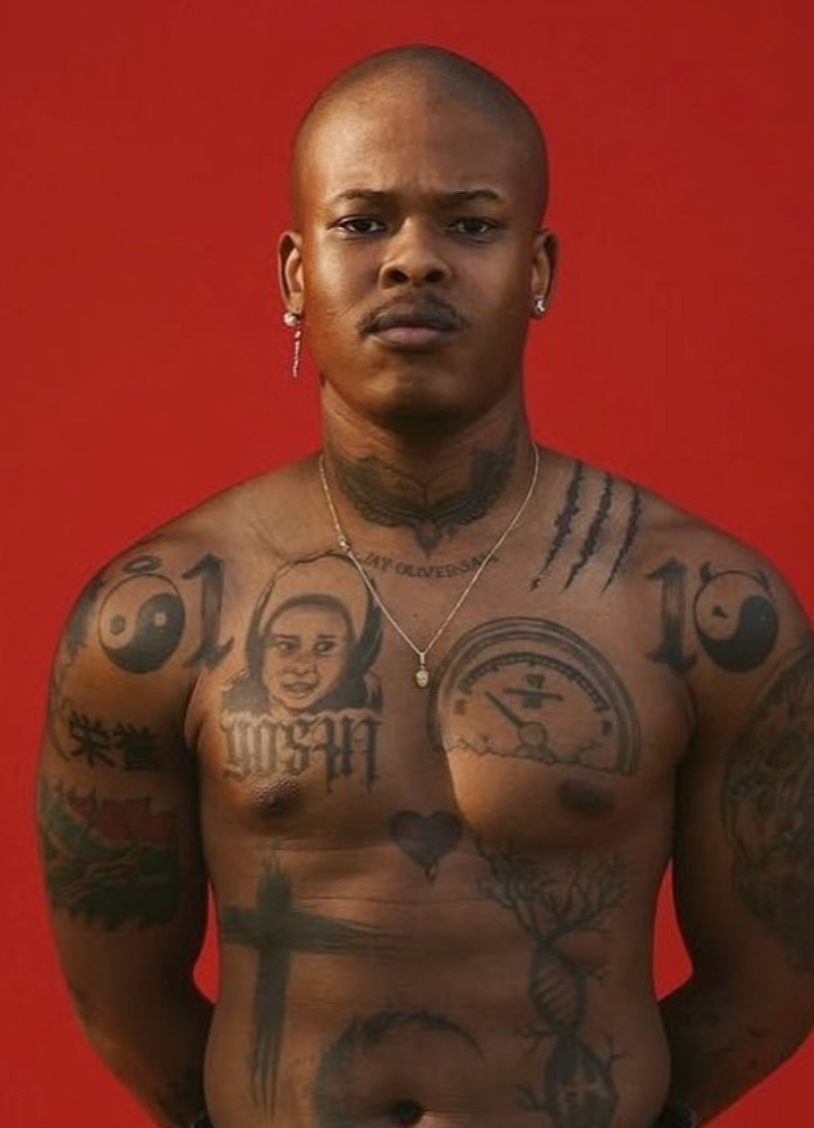
What is Qgom?
Qgom is a vibrant genre of music that emerged from South Africa’s Gauteng province, primarily characterized by its infectious beat and rhythmic complexity. This genre represents a cultural uprising that reflects the urban soundscape of contemporary African youth, combining traditional elements with modern influences. In its essence, Qgom is a product of fusion, integrating the rhythms of traditional Zulu music with the infectious pulses of house music and other genres, creating a distinct auditory experience.
Central to Qgom is the use of fast-paced beats, often driven by electronic production. The genre typically features straightforward and repetitive rhythms that create an ambiance stimulating to dance, thus resonating deeply with local and global audiences alike. Qgom’s beats are easily recognizable and are known to evoke feelings of joy and celebration, making it a favorite in social gatherings and clubs. Importantly, the style of production in Qgom often highlights a minimalistic approach, stripping back layers to focus on the core energy of the music.
The instrumentation in Qgom is equally notable, frequently employing a range of synthesized sounds and effects. While percussion instruments play a crucial role, the genre’s innovative use of technology elevates its soundscapes and contributes to its modern appeal. Additionally, the distinctive vocal delivery, often marked by spoken-word elements, adds a unique layer to the composition, allowing for expressive storytelling that resonates with listeners.

Qgom not only serves as entertainment but also acts as a cultural expression that embodies the social realities and aspirations of its creators. It highlights the resilience and creativity of urban culture in South Africa, emerging as a symbol of pride for many. As this genre continues to evolve and gain recognition beyond its geographical origins, it plays a significant role in the global music scene, blending tradition with modernity in a compelling, dynamic way.
The Social and Political Context of Qgom’s Uprising
The emergence of Qgom music in South Africa can be traced back to the intricate interplay of social and political factors that have shaped urban life, particularly in the areas surrounding Johannesburg and Cape Town. Urbanization has dramatically transformed the landscape of South Africa, leading to an influx of people migrating to cities in search of better economic opportunities. This rapid population growth has resulted in the formation of vibrant communities where youth culture thrives, allowing genres like Qgom to resonate uniquely with urban audiences.
In addition to urbanization, economic challenges have played a significant role in the rise of Qgom. Unemployment rates in South Africa have remained alarmingly high, particularly among the youth. Consequently, many young South Africans have turned to creative forms of expression, such as Qgom, as a means to navigate and voice their frustrations, dreams, and experiences. The genre often encapsulates the struggles faced in the daily lives of its listeners, making it not only a source of entertainment but also a powerful vehicle for socio-political commentary.
Moreover, significant movements and events have intertwined with the Qgom genre, further amplifying its cultural significance. The presence of numerous social movements advocating for change has influenced a generation of musicians and fans alike, as these realities are often reflected in the lyrical content of Qgom. The genre’s roots in social commentary allow it to resonate deeply with audiences who are experiencing economic inequities and systemic injustices. This symbiotic relationship highlights how Qgom evolves in tandem with the cultural milieu, capturing the aspirations and challenges of the community it represents.
Key Artists and Their Impact on the Genre
The Qgom genre has been significantly shaped by prominent artists who have not only pioneered its sound but have also contributed to its growing popularity both in South Africa and internationally. DJ Lag is often regarded as a key figure in the Qgom movement. His innovative sound blends percussive beats with catchy melodies, setting a benchmark for the genre. Tracks such as “Apocalypse” and “Uthando” have showcased his ability to create dance tracks that resonate with audiences, promoting the genre’s distinctive rhythmic qualities. DJ Lag’s collaborations with various artists have further expanded Qgom’s appeal, introducing new listeners to its exhilarating essence.
Babes Wodumo is another pivotal artist whose influence has played a crucial role in elevating Qgom to mainstream acclaim. Her hit single “Wololo” became a phenomenon, celebrated for its infectious hook and energetic tempo. Babes Wodumo’s vibrant performances and engaging style have drawn attention to the genre while showcasing the cultural narratives characteristic of Qgom. The collaboration with well-known producers and artists has allowed her to blend the traditional elements of South African music with contemporary sounds, resulting in a unique fusion that has captivated diverse audiences.
Other notable artists contributing to the Qgom scene include Distruction Boyz and Moonchild Sanelly. Their experimentation with sound, along with their high-energy performances, underscores the genre’s dynamic nature. Distruction Boyz, particularly known for their track “Omunye,” have crafted a sound that embodies the essence of Qgom, marrying local vernacular influences with global dance trends. This approach has helped propel Qgom artists onto international platforms, further solidifying the genre’s place within the global music landscape.
The Future of Qgom: Trends and Innovations
The cultural landscape surrounding Qgom continues to shift as the genre expands and adapts to modern influences. As Qgom embraces a range of technological advancements, artists and producers are increasingly exploring innovative ways to incorporate electronic elements, intertwining traditional South African sounds with contemporary music styles. This blend not only opens new avenues for creativity but also invites diverse audiences to engage with the genre.
One notable trend in the evolution of Qgom is its growing integration with other music genres. Collaborations with artists from different backgrounds, such as hip-hop, pop, and electronic dance music, are becoming more prevalent, creating unique hybrid genres that resonate with both local and global listeners. These collaborations are significant in fostering cross-cultural exchanges and enhancing the genre’s appeal beyond its traditional audience.
Furthermore, the rise of social media and digital platforms has transformed the way Qgom music is produced and consumed. Emerging artists are leveraging these platforms to share their work and connect with fans directly, often bypassing traditional music industry gatekeepers. This accessibility is crucial for new talents who might otherwise struggle to gain recognition within the established framework of the industry. Additionally, platforms such as TikTok and YouTube have played a pivotal role in popularizing Qgom, with viral dance challenges and music videos introducing the genre to a broader audience.
Looking ahead, it is essential to consider the sustainability of Qgom amid an ever-changing global music scene. As artists continue to innovate and experiment, the genre must adapt to maintain relevance while preserving its cultural roots. The ability of Qgom to navigate challenges and seize opportunities will determine its trajectory in the coming years. As long as artists remain committed to infusing new ideas while honoring their heritage, the future of Qgom appears promising.
 Los Angeles | Redlands | Phoenix | Memphis | NYC
Follow us: @GemworkTV | Contact: info@gemwork.tv
Los Angeles | Redlands | Phoenix | Memphis | NYC
Follow us: @GemworkTV | Contact: info@gemwork.tv